

Best Plants to Grow on a Pergola for Shade and Style (2026 Guide)
Autor: Laura Jorge
7 Minute(s) to read / 26.2.2026


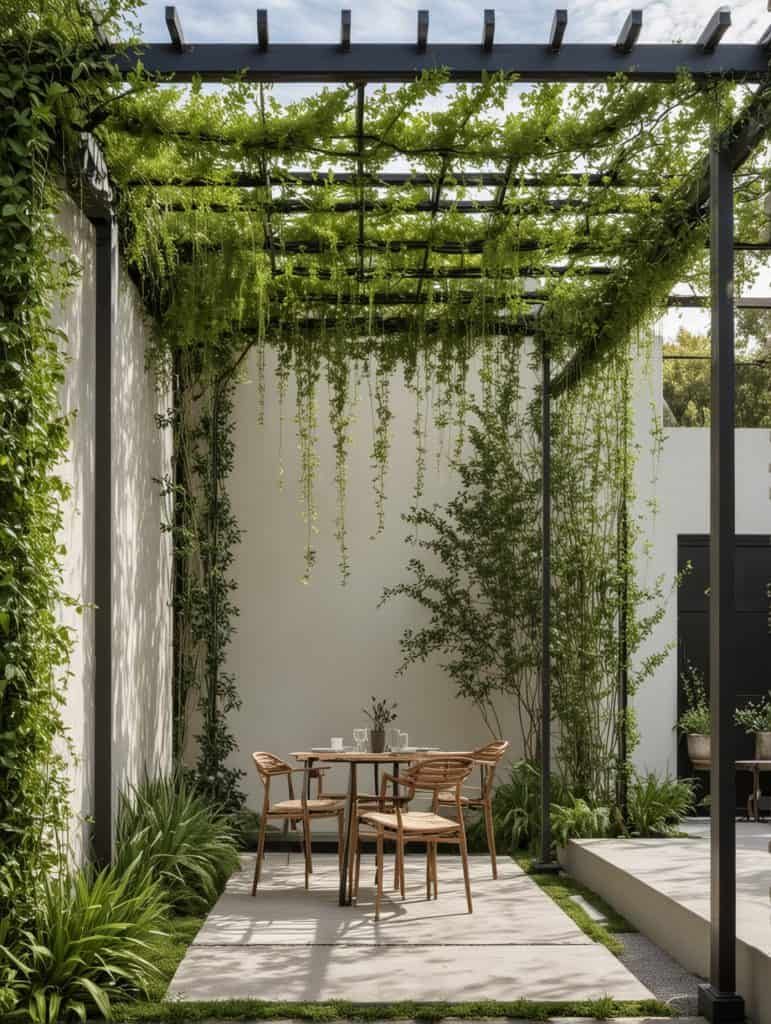
Pergolas are architectural masterpieces that elevate outdoor spaces, providing structure, personality, and both shade and style. But when paired with the right plants, a pergola becomes more than a shade structure; it becomes a living, breathing extension of your home. Whether you have a modern villa in Marbella, a cozy garden in the countryside, or a rooftop terrace with sea views, the right plant selection can turn your pergola into a lush, inviting sanctuary.
In this guide, we explore the best plants to grow on a pergola, focusing on both shade-providing vines and visually striking climbers. You’ll learn how to choose plants based on climate, maintenance, aesthetics, and functionality, so your pergola not only looks beautiful but performs beautifully too.
Why Grow Plants on a Pergola?
Adding plants to a pergola offers a range of benefits, including:
- Natural Shade and Cooling: Plants create a living canopy that reduces direct sunlight, cools outdoor areas, and makes your space more comfortable , especially important in warm climates like Marbella or the Mediterranean.
- Aesthetic Appeal: Climbing plants introduce soft textures, vibrant colors, and seasonal changes that enhance architectural lines and create visual interest.
- Environmental Benefits: Greenery improves air quality, supports local ecosystems, and can even attract pollinators like bees and butterflies.
- Privacy and Softness: Climbers can create a natural screen, adding privacy without sacrificing airflow or light.
Key Characteristics to Look for in Pergola Plants
When selecting plants for a pergola, consider:
- Climbing ability: Will it attach and grow upright?
- Shade density: How much coverage will it provide?
- Growth rate: Fast-growing vs. slow, manageable vines
- Maintenance needs: Pruning, watering, feeding
- Climate suitability: Heat tolerance, frost resistance, humidity preference
- Aesthetic harmony: Flower color, foliage texture, seasonal interest
What are the best plants to grow on a pergola?
Here’s a curated list of the best plants to grow on a pergola, all selected for how exceptionally well they perform, balancing elegance with real functionality:
1. Wisteria (Wisteria sinensis / floribunda)
Why it’s great: Wisteria is one of the most iconic pergola climbers. It creates cascading clusters of lavender, purple, or white blooms in spring, offering a striking floral display and excellent shade.
- Style: Romantic, classic, Mediterranean
- Best For: Large pergolas with strong support
- Care Tips: Needs regular pruning to control vigor; benefits from full sun
- Why we love it: Wisteria transforms pergolas into floral ceilings, evoking garden romance and timeless beauty.
2. Grape Vines (Vitis vinifera)
Why it’s great: Perfect for Mediterranean climates, grape vines offer ornamental foliage, seasonal clusters of grapes, and excellent natural shade. They’re both decorative and productive.
- Style: Rustic, Mediterranean, vineyard-inspired
- Best For: Homes with outdoor dining spaces
- Care Tips: Prune annually, train along pergola beams, and harvest grapes in season
- Why we love it: In addition to shade, you get the bonus of fresh fruit and a classic European vibe.
3. Climbing Roses (Rosa spp.)
Why it’s great: Climbing roses provide fragrance, color, and timeless elegance. They perform beautifully on pergolas, creating dreamy floral overlays.
- Style: Classic, romantic, English-garden inspired
- Best For: Pergolas near seating or dining areas
- Care Tips: Prune annually in late winter; support with ties
- Why we love it: Roses add unmatched romance and scent, ideal for alfresco dinner evenings.
4. Jasmine (Jasminum spp.)
Why it’s great: Jasmine’s delicate white flowers and intoxicating scent make it a pergola favorite. It creates aromatic shade and a sensory outdoor experience.
- Style: Luxurious, tranquil, aromatic
- Best For: Pergolas near dining or relaxation zones
- Care Tips: Mild pruning after blooming; thrives in full sun
- Why we love it: The fragrance of jasmine at sunset is one of life’s simplest luxuries.
5. Passionflower (Passiflora spp.)
Why it’s great: Exotic flowers, unique shapes, and vigorous growth make passionflower a stunning option. It also attracts butterflies and bees.
- Style: Tropical, vibrant, contemporary
- Best For: Pergolas in sunny positions
- Care Tips: Provide strong support; prune lightly after flowering
- Why we love it: Its dramatic flowers add flair and create a vibrant pergola canopy.
6. Climbing Hydrangea (Hydrangea anomala petiolaris)
Why it’s great: Perfect if you want lush, leafy coverage with beautiful blooms that resemble classic hydrangea flowers.
- Style: Soft, cottage-garden elegance
- Best For: Shaded or semi-shaded pergola spots
- Care Tips: Existing structure needs sturdy support; minimal pruning
- Why we love it: Its textured foliage and soft blossoms add depth and subtle charm.
7. Trumpet Vine (Campsis radicans)
Why it’s great: Bold tubular flowers attract hummingbirds and add a splash of vibrant color. Ideal for large pergolas.
- Style: Bold, energetic, nature-inspired
- Best For: Warm climates with plenty of sun
- Care Tips: Vigorous grower; prune regularly to control spread
- Why we love it: Its lively blossoms energize outdoor spaces.
8. Climbing Hydrangea (Schizophragma hydrangeoides)
Why it’s great: Offers delicate, lace-like blossoms and rich foliage. Its slower growth makes it easy to manage.
- Style: Graceful, refined, soft-textured
- Best For: Pergolas with dappled shade
- Care Tips: Regular watering and support training
- Why we love it: Perfect for spaces that need leafy elegance without too much upkeep.
How to Plant and Train Climbers on a Pergola
To help your climbers thrive and make the most of your pergola from the very start—especially once you’ve chosen the best plants to grow on a pergola, it’s worth following a few simple best practices. Aim to plant in spring or early autumn so the roots have time to settle in before harsh heat or cold arrives, and take a moment to prep the planting area with well-drained soil enriched with compost or other organic matter.
As the plant begins to grow, gently guide it using trellis wires, garden ties, or the pergola’s beams so it develops in the direction you want, and keep watering regularly, especially during the first months and throughout warmer periods.
With a bit of ongoing care, occasional pruning will keep everything looking neat and healthy by removing dead wood, taming excess growth, and shaping the canopy so it filters light beautifully rather than blocking it completely.
Design Tips for Pergola Greenery
When it comes to dressing a pergola with plants, the goal isn’t just to add greenery, it’s to create an outdoor atmosphere that feels intentional, inviting, and full of character. With a few thoughtful design choices, you can turn simple climbers and foliage into a layered, living feature that offers shade, fragrance, seasonal interest, and even a cozy mood after sunset.
The following tips will help you plan your pergola planting like a designer, balancing beauty and practicality for a space that looks lush and memorable all year round.
- Mix textures and colors: Combine flowering climbers with aromatic foliage for both visual and sensory appeal.
- Seasonal Planning: Pair fast growers with slower ones so your pergola looks lush year-round.
- Combine with Hanging Plants: Add hanging baskets of trailing petunias, fuchsias, or ivy for layered greenery.
- Integrate Lighting: Install soft LED strands intertwined with vines for magical nighttime ambiance.
Maintenance and Long-Term Care
Keeping pergola plants looking their best isn’t difficult, but it does require a little consistent care throughout the year. A simple maintenance routine helps climbers stay healthy, prevents them from overwhelming the structure, and ensures you get the shade, blooms, and lush foliage you’re aiming for season after season.
- Annual pruning keeps growth elegant and controlled
- Feeding schedules support healthy blooms and lush foliage
- Monitor pests and treat early to prevent infestations
- Check ties and supports to avoid damage to plants or structure
Pergola plants are long-term companions , nurturing them ensures they reward you with shade and beauty year after year.
Conclusion: Choosing Plants for Your Pergola
Choosing the best plants for a pergola is an art and science. Climbers and vines can provide:
- Natural shade and cooling
- Seasonal beauty and fragrance
- Visual depth and exterior character
- A connection to nature that enhances outdoor living
Whether you lean toward romantic wisteria, fragrant jasmine, or productive grape vines, choosing from the best plants to grow on a pergola will transform your structure into an elegant, living masterpiece, perfect for relaxation, entertainment, and everyday enjoyment.
At Arte del Lusso, we believe the best outdoor systems combine design, nature, and lifestyle. The perfect pergola plant palette does exactly that, elevating your garden into a haven of style and serenity.