

Benefits of Natural Light in Home: How to Create a Brighter, Healthier...
Autor: Laura Jorge
6 Minute(s) to read / 17.8.2026


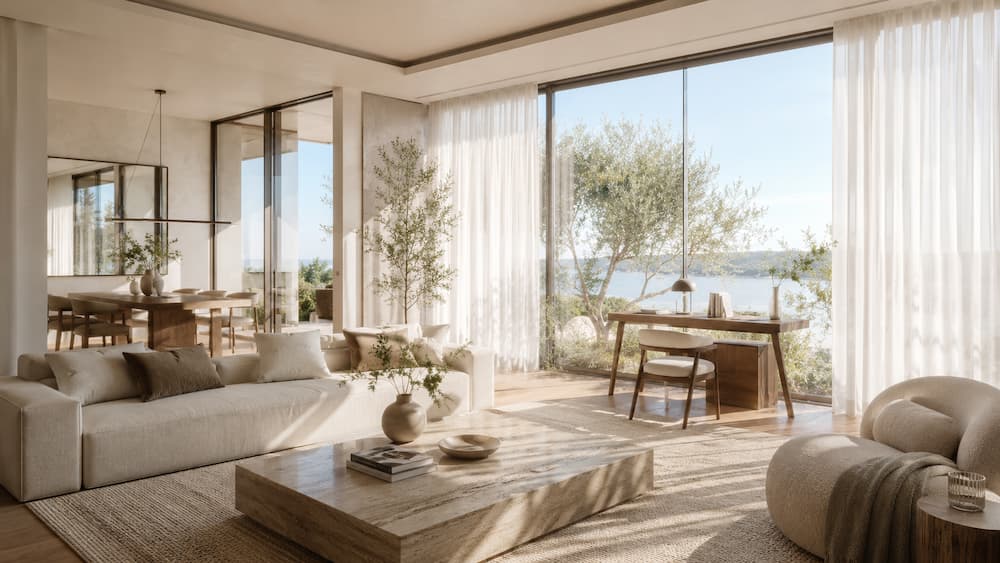
Natural light can completely transform the way a home looks and feels. One of the main benefits of natural light in home interiors is that it makes spaces feel brighter, more spacious, comfortable and welcoming, while also helping homeowners reduce their dependence on artificial lighting throughout the day.
Beyond aesthetics, there are many benefits of natural light in home environments. From supporting wellbeing to improving the appearance of colours and materials, natural light can play an important role in both interior design and everyday comfort.
Fortunately, improving the amount of daylight in a home does not always require major renovation work. Strategic furniture placement, lighter materials, mirrors and carefully chosen windows or glazed doors can all help maximise the light already available.
The Main Benefits of Natural Light in Your Home
Natural light is an important element of interior design because it influences both the atmosphere of a room and the way people experience the space.
Improves mood, wellbeing and daily comfort
Exposure to daylight helps create a more pleasant and comfortable environment. Rooms filled with natural light can feel more uplifting, particularly in spaces where people spend a significant amount of time, such as living rooms, kitchens and home offices
Daylight also helps reinforce the natural rhythm between daytime and evening. A home that receives plenty of natural light during the day can therefore feel more connected to the outside environment, while creating a brighter and more harmonious atmosphere.
For people working from home, natural light can be especially valuable. Positioning a desk near a window, for example, can create a brighter and more enjoyable workspace while reducing the need for artificial lighting. When planning an interior, Arte del Lusso can also be incorporated as part of a wider design approach focused on creating elegant, well-lit and comfortable spaces.
Makes rooms feel brighter, larger and more inviting
One of the most noticeable benefits of natural light in home interiors is its ability to change the perception of space.
Dark rooms can sometimes feel smaller or more enclosed than they really are. Natural light highlights architectural features, reduces heavy shadows and helps create a more open and inviting atmosphere.
This is particularly useful in smaller homes, narrow spaces or rooms with limited floor area. Solutions such as light-filtering curtains, blinds and shades from Arte del Lusso can help manage daylight without sacrificing brightness, while skylight systems can bring additional natural light into areas where conventional windows may be limited.
Enhances interior design and visual appeal
Natural light also has a major influence on how colours, materials and textures appear.
Wood, stone, fabrics and decorative finishes often reveal more detail when illuminated by daylight. Similarly, wall colours can appear more dynamic throughout the day as the intensity and direction of sunlight changes.
For this reason, understanding how to use natural light in design can help homeowners make better decisions when choosing furniture, flooring, paint colours and decorative elements.
Designing around the available daylight allows the interior to feel more balanced while making the most of the home's existing architectural features.
Helps reduce energy consumption
Increasing natural light can also reduce the amount of artificial lighting required during daylight hours.
In rooms with large windows or effective daylight distribution, lights may only be necessary early in the morning, during particularly dark weather or in the evening.
The overall impact will depend on factors such as the orientation of the property, the size of the windows and the local climate. However, making better use of daylight can contribute to a more energy-conscious approach to home design.
How to Use Natural Light in Design
Learning how to use natural light in design starts with understanding where daylight enters a room and how it moves throughout the day.
Simple changes can make a big difference. Keeping large furniture away from windows allows more light to enter, while mirrors placed near or opposite windows can reflect daylight into darker areas.
Colours and materials also influence brightness. Light walls, pale flooring and reflective finishes help distribute natural light more effectively. Soft neutrals and warm tones can keep the space bright while still adding character and depth.
How to Brighten a Dark Room Naturally
Understanding how to brighten a dark room is particularly important in properties with small windows, deep floor plans or rooms that receive limited direct sunlight.
The first step is to identify anything that may be blocking the available daylight. Heavy curtains, oversized furniture or objects placed directly in front of windows can significantly reduce the amount of light entering the room.
Replacing thick curtains with lighter fabrics can make an immediate difference. Blinds that can be fully opened during the day are another practical option.
Mirrors and glass can also help distribute light. A mirror placed strategically can reflect daylight deeper into the room, while glazed internal doors can allow light to pass between adjoining spaces.
Decorative choices also play a role. Lighter wall colours, ceilings and flooring can help maximise the effect of limited daylight. Selecting furniture with lighter finishes or slimmer profiles can also prevent the room from feeling visually heavy.
Keeping windows clean is another simple but often overlooked way to improve brightness. Even a small improvement in the amount of daylight entering the room can make a noticeable difference.
How to Increase the Natural Light in Your Home
For homeowners looking for ways to increase the natural light in your home, several improvements can make a significant difference:
- Install larger windows: A highly effective way to bring more daylight into living areas and make spaces feel more open.
- Add roof windows or skylights: Ideal for rooms with limited wall space, as they introduce light from above and help brighten deeper areas.
- Use glazed doors: Replacing solid doors with partially or fully glazed options allows natural light to flow between rooms.
- Open up the layout: Open-plan spaces, internal glazing and wider openings can improve the distribution of daylight throughout the home.
- Choose lighter finishes: Pale walls, flooring and reflective surfaces can help maximise the light already available.
- Reposition furniture: Keeping bulky furniture away from windows prevents it from blocking valuable daylight.
- Add reflective surfaces: Mirrors and glossy finishes can help bounce light into darker corners.
Not every solution requires major structural work. In many cases, combining a few smaller changes can noticeably improve the overall brightness of a home.
Make the Most of Natural Light in Your Home
Natural light is much more than a decorative feature. It can make rooms feel larger, improve everyday comfort, enhance interior materials and reduce the need for artificial lighting during the day.
The best approach depends on the layout, orientation and existing windows of each property. Some homes may benefit from simple changes such as repositioning furniture or adding mirrors, while others may require larger interventions such as new windows, skylights or glazed doors.
By considering natural light as part of the overall design process, homeowners can create interiors that feel brighter, more spacious and more comfortable throughout the day.