

Classic Interior Style: Key Features and Design
Autor: Laura Jorge
6 Minute(s) to read / 10.7.2026


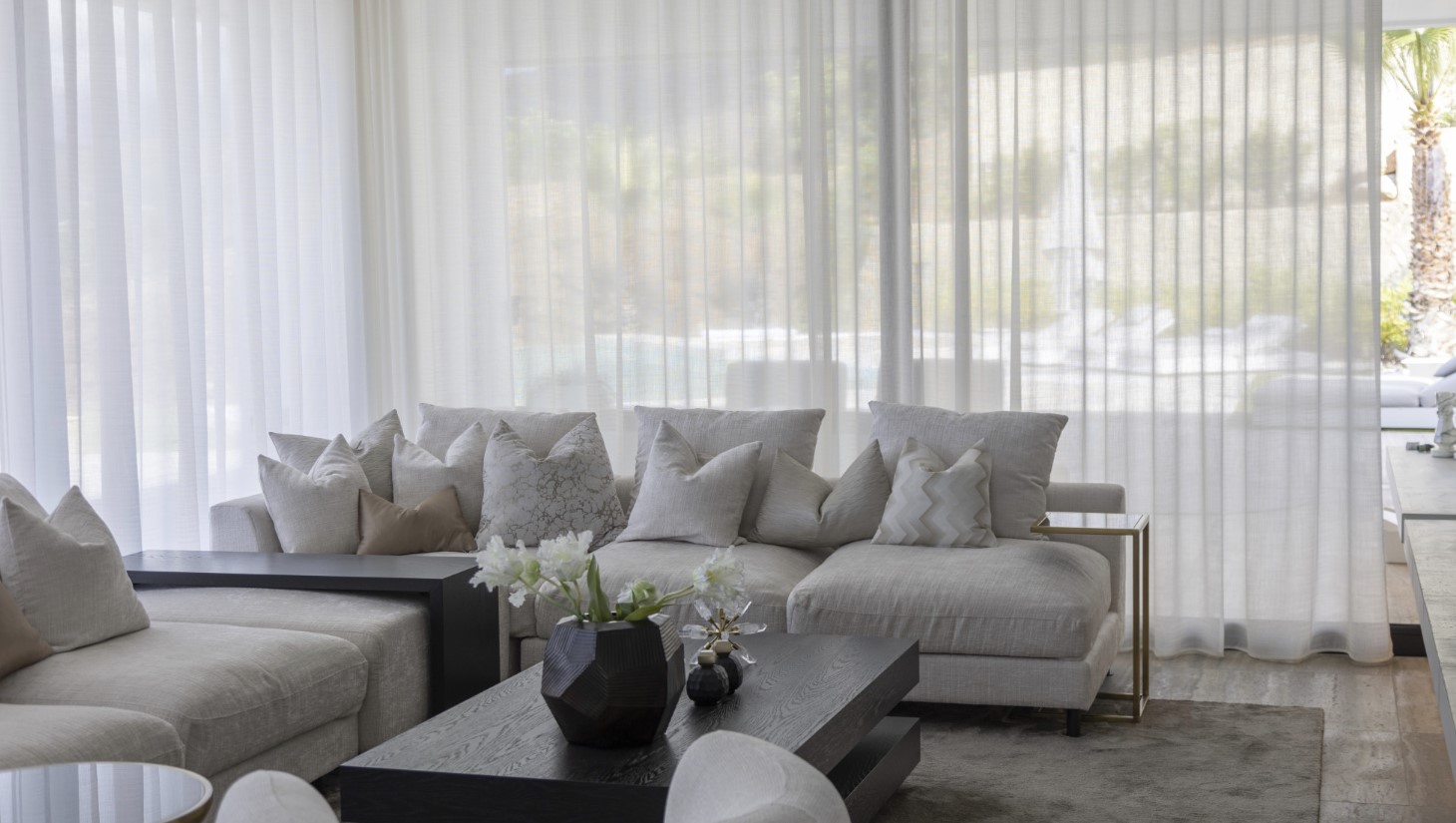
Classic interior style has never truly gone out of fashion. Although design trends change, classic interiors continue to appeal to homeowners who value elegance, proportion, craftsmanship and longevity. Today, the style is being reinterpreted for contemporary Mediterranean living, replacing heavy furniture and overly formal decoration with lighter layouts, natural materials, softer textures and a more relaxed sense of luxury.
In Marbella, this modern classic approach works particularly well across Andalusian villas, Golden Mile apartments and contemporary properties. Timeless architectural details can be combined with carefully selected elements such as made-to-measure curtains, elegant blinds and shades and textured carpets.
What Is Classic Interior Style?
Classic interior style is based on timeless design principles rather than seasonal trends. It often draws inspiration from traditional European interiors, Georgian and neoclassical architecture, French design, English country homes and Mediterranean heritage.
The style is typically characterised by:
- Balanced and symmetrical layouts.
- Elegant architectural details.
- Quality materials.
- Refined furniture.
- Layered textiles.
- A sophisticated colour palette.
- A sense of visual harmony.
However, classic does not have to mean old-fashioned.
The most relevant interpretation is often described as modern classic or contemporary classic.
Key elements for creating a classic interior style
The result is a home that feels established and sophisticated without feeling formal or dated.
1. Architectural Details Create the Foundation
One of the defining features of a classic interior is the architecture of the space itself.
Mouldings, wall panelling, cornices, architraves and carefully considered proportions can instantly create a sense of elegance. In a villa, these details can be particularly effective when combined with the natural character of the Mediterranean setting.
Popular architectural features include:
- Decorative wall mouldings.
- Wainscoting and wall panelling.
- Classic skirting boards.
- Ceiling details.
- Arched doorways.
- Built-in cabinetry.
- Symmetrical architectural compositions.
- Choose a Sophisticated and Timeless Colour Palette
Classic interiors are rarely based on overly bright or aggressively trendy colours. Instead, they rely on a palette that feels balanced and sophisticated.
Classic colour schemes can be adapted to the Mediterranean environment through warm, natural tones such as:
- Ivory.
- Warm white.
- Cream.
- Soft beige.
- Taupe.
- Stone grey.
- Olive green.
- Deep navy.
- Terracotta accents.
- Rich walnut and natural wood tones.
3. Invest in Quality Furniture with Timeless Proportions
Rather than following the latest furniture trend, classic design focuses on pieces with good proportions, quality materials and a sense of permanence.
Some timeless choices include:
- Upholstered sofas with elegant silhouettes.
- Tailored armchairs.
- Wooden dining tables.
- Classic console tables.
- Natural stone coffee tables.
- Curved occasional chairs.
- Bespoke built-in furniture.
The most sophisticated classic interiors do not necessarily use antique furniture throughout. Instead, they combine different periods and styles carefully.
4. Textiles Are Essential to Classic Interior Style
One of the easiest ways to create a classic atmosphere is through textiles.
Curtains, upholstery, cushions, rugs and other soft furnishings introduce depth and warmth while helping to define the character of a room.
For classic interiors, particularly effective fabrics include:
- Linen.
- Cotton.
- Velvet.
- Wool.
- Bouclé.
- Silk-inspired fabrics.
- Textured woven materials.
Curtains play a particularly important role.
Floor-to-ceiling curtains can enhance the proportions of a room, frame architectural views and soften strong Mediterranean light. In a classic interior, curtains are often designed with generous fullness and a tailored finish.
Popular choices include:
- Soft neutral curtains.
- Linen-look fabrics.
- Elegant patterned textiles.
- Subtle stripes.
- Decorative borders.
- Layered curtains with sheers.
Roman blinds can also work beautifully in classic interiors, particularly in bedrooms, studies and smaller windows where a tailored appearance is desirable.
5. Symmetry and Balance Are Key for Classic Interior Style
Classic interiors often feel calm because of their sense of order.
Symmetry is one of the most important principles of the style. This might involve:
- Two matching armchairs.
- A pair of lamps.
- Symmetrical bedside tables.
- Artwork arranged around a central axis.
- Furniture positioned around a fireplace.
Symmetry does not mean that every object must be identical. Rather, it creates a visual balance that helps a room feel intentional and harmonious.
6. Natural Materials Add Warmth and Authenticity
Classic interiors depend heavily on materials that age beautifully.
This creates an opportunity to combine traditional European design with the natural character of the Mediterranean.
Some of the most effective materials include:
- Natural wood.
- Marble.
- Travertine.
- Limestone.
- Natural stone.
- Brass.
- Bronze.
- Linen.
- Wool.
- Handmade ceramics.
7. Lighting Should Be Warm and Layered
Lighting can completely change the atmosphere of a classic interior. The emphasis is increasingly on warm, layered lighting rather than a single bright central light.
A well-designed classic interior might combine:
- Decorative pendant lights.
- Wall sconces.
- Table lamps.
- Floor lamps.
- Integrated architectural lighting.
- Accent lighting for artwork.
8. Artwork and Accessories Should Feel Curated
Classic interior design is not about filling every available surface. The most elegant homes often use fewer decorative objects, but choose them carefully.
Suitable accessories might include:
- Large-scale artwork.
- Antique or vintage mirrors.
- Sculptural objects.
- Ceramic vessels.
- Decorative books.
- Brass accessories.
- Natural flowers and greenery.
The key is to create a sense of personality.
9. Classic Interior Works Beautifully with Mediterranean Architecture
One of the greatest advantages of classic interior style is its ability to work with the existing architecture.
A traditional Andalusian villa might feature:
- Terracotta floors.
- Wooden beams.
- Arched windows.
- White plaster walls.
- Stone details.
A classic interior can enhance these characteristics rather than hide them.
At the same time, a modern villa can use classic elements to introduce warmth and character.
For example, a contemporary property with large glass windows and clean architectural lines might be softened through:
- Linen curtains.
- Traditional furniture silhouettes.
- Warm wood.
- Classic artwork.
- Elegant lighting.
- Textured upholstery.
This creates an interior that feels timeless without becoming historically themed.
10. Create a Strong Connection Between Interior and Exterior
Classic interior style should not stop at the front door.
Outdoor living is an essential part of life on the Costa del Sol, and the most successful homes create a visual relationship between the interior and exterior.
This can be achieved through:
- Coordinated colour palettes.
- Similar fabrics and textures.
- Matching furniture tones.
- Outdoor curtains.
- Elegant awnings.
- Architectural pergolas.
- Carefully integrated solar protection.
A classic interior might use warm linen curtains indoors and a neutral retractable awning outside. A terrace could feature natural wood, stone and upholstered furniture that continue the visual language of the living room.
Classic Interior Style: What to Avoid
A classic interior can easily become dated if every traditional element is used at once.
Some common mistakes include:
- Too much ornamentation
- Overly dark interiors
- Matching everything perfectly
- Ignoring comfort
- Following trends too literally
Final Thoughts: Why Classic Interior Style Continues to Endure
Classic interior style remains relevant because it is based on timeless principles such as balance, proportion, quality and comfort. Today, it is interpreted in a more relaxed and contemporary way, using warm neutral tones, natural materials, layered textiles and carefully selected furniture to create elegant yet welcoming spaces.
Whether used in an Andalusian villa, a modern Sierra Blanca home or a Golden Mile apartment, classic style provides a lasting foundation. The key is combining traditional elegance with modern comfort, creating interiors that feel personal, refined and able to evolve over time.