

Luxury Fabrics: Types, Characteristics and Best Uses
Autor: Laura Jorge
7 Minute(s) to read / 28.7.2026


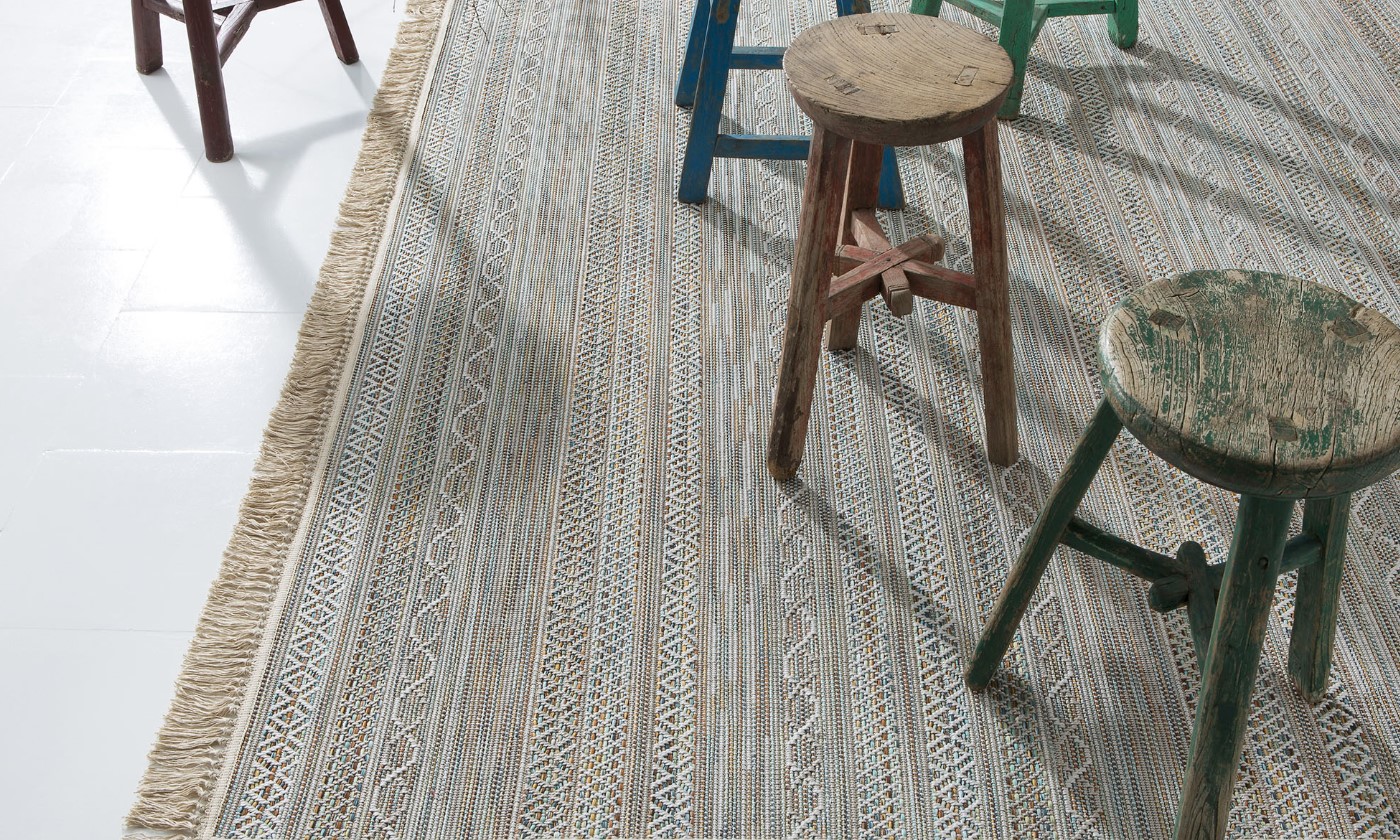
Luxury fabrics are among the most important—and often underestimated—elements of high-end interior design. A window treatment, sofa, cushion, armchair or rug does far more than introduce colour into a room. Textiles transform the way a space feels through texture, light, acoustics, comfort and visual warmth.
In Mediterranean homes, defined by abundant natural light and a strong connection between indoor and outdoor living, the right fabric matters even more. Interiors are moving towards warmer, more tactile spaces, away from cold, overly white rooms and towards natural materials and rich textures. Luxurious fabrics play a central role in that shift.
This guide explores the main types of luxury fabrics, their characteristics and their best uses in villas, apartments and hospitality projects.
What Defines a Luxury Fabric?
A luxury fabric is not defined by price alone. Quality depends on a combination of factors:
- The quality of the fibre.
- The manufacturing process.
- The density and construction of the fabric.
- Its resistance to everyday use.
- Its drape and tactile quality.
- Colour stability and durability.
- The way it interacts with light.
Luxury is moving away from excessive shine and decorative opulence. The most luxurious fabrics are those that feel beautiful, age gracefully and add depth to a room, which is why natural, tactile materials are increasingly important.
1. Linen: The Essence of Mediterranean Luxury
Linen remains one of the most important luxury fabrics in interior design. Its popularity comes from a unique combination of characteristics:
- A natural and sophisticated appearance.
- A light, organic texture.
- Excellent breathability.
- Elegant drape.
- A relaxed feel.
- The ability to filter light softly.
Linen curtains are one of the best choices for large windows, filtering intense sunlight without blocking the brightness of the room. The most popular shades are:
- Off-white.
- Warm beige.
- Sand and stone.
- Taupe and light grey.
The trend favours greater texture and more substantial finishes over flat surfaces. Linen works particularly well in living rooms, bedrooms and dining rooms, in floor-to-ceiling panels and in tailored blinds, creating luxury without appearing overly formal.
2. Velvet: Depth, Elegance and Drama
Velvet is the fabric most traditionally associated with luxury. Its soft, dense surface reflects light in a distinctive way, creating variations in colour and visual depth. It can add:
- Colour depth.
- A touch of drama.
Although rooted in classic interiors, velvet is now widely used in contemporary projects. It works particularly well for:
- Sofas and armchairs.
- Decorative drapery.
- Benches and accent furniture.
In a modern villa, an olive-green velvet armchair creates a beautiful contrast within a neutral palette. The key is balance: velvet is increasingly combined with stone, wood and linen to prevent a space from feeling heavy.
3. Silk: Sophistication and Luminosity
Silk is one of the most refined fabrics in interior design. Its defining characteristic is luminosity: the surface reflects light delicately, creating an elegant appearance. It suits:
- Window treatments.
- Decorative cushions.
- Special upholstery.
Its sensitivity to direct sunlight means silk is not always practical for windows with intense sun exposure. Use it strategically, in interiors with effective solar protection or in areas with less exposure.
4. Wool: Comfort, Durability and Sophistication
Wool is one of the most versatile luxury fabrics for interiors. Beyond its warm tactile quality, it offers excellent durability and insulating properties. It is used for:
- Cushions and decorative textiles.
Wool rugs are especially popular in living rooms and bedrooms because they add warmth and improve acoustics. In a villa with stone or marble flooring, a rug softens the space considerably.
5. Bouclé: Contemporary Texture and Comfort
Bouclé has become one of the most recognisable fabrics in contemporary interior design. Its irregular, tactile surface creates softness and volume, and it is especially popular for:
- Armchairs and sofas.
- Dining chairs.
- Accent furniture.
It works well in minimalist interiors because it introduces texture without bold patterns. An ivory bouclé sofa with natural stone, wood and linen drapery feels elegant, warm and distinctly contemporary.
6. Cotton: Versatility and Comfort
Cotton is used for drapery, cushions, upholstery, bedding and blinds. Its advantage is versatility: it comes in many weights, textures and finishes, and a luxurious cotton fabric can be blended with linen for a natural look that is easy to maintain. It suits:
- Family homes.
- Holiday properties.
- Children's rooms.
Not all cotton belongs in a high-end project. A genuinely luxurious cotton fabric is defined by yarn quality, density and finish, so these should always be checked against the intended use.
7. Technical Fabrics: Performance Meets Design
Technical fabrics now combine:
- Resistance to sunlight and UV protection.
- Stain resistance.
- Easy maintenance.
- Sophisticated design.
They matter most where intense sunlight and a warm climate affect textiles, and are used for roller blinds, window treatments, solar protection, outdoor upholstery, awnings and pergolas. Technology does not have to be visible: the best technical fabrics pair performance with a refined appearance, integrating functionality discreetly into the architecture.
8. Window Treatments: Much More Than Decoration
Curtains are among the most important textile elements in an interior, and their function extends far beyond decoration. The right window treatments can:
- Control natural light.
- Improve privacy.
- Contribute to thermal comfort.
- Improve acoustics.
- Soften architecture.
- Create a greater sense of height.
- Frame views.
Short, poorly proportioned window dressings are giving way to floor-to-ceiling solutions and architectural compositions. The most sophisticated options:
- Sheers: filter light while maintaining a sense of openness.
- Linen panels: perfect for Mediterranean and contemporary interiors.
- Blackout linings: ideal for bedrooms and spaces needing control over light and temperature.
- Layered solutions: combining sheers with denser fabrics lets a space adapt throughout the day.
9. Roman Blinds: Tailored Elegance
Roman blinds are one of the best options for a clean, sophisticated window treatment. Raised, they create elegant folds; lowered, they offer a continuous textile surface. They are ideal for:
- Dining rooms.
- Classically proportioned windows.
They can be made in linen, cotton, velvet and other decorative fabrics, offering a more structured appearance than loose hanging panels.
10. The Importance of Cushions and Decorative Textiles
Cushions are one of the most effective ways to transform a space. Although they seem like small details, they shape the atmosphere of a room, introducing colour, contrast, texture and personality. A sophisticated combination might pair:
- A linen cushion.
- A velvet cushion.
- A textured woven fabric.
- A subtle patterned piece.
Palettes are evolving beyond uniform beige: natural tones remain essential, but deeper accents such as olive green, terracotta, mineral blue and clay are being introduced. The key is contrast without losing harmony.
11. How to Choose the Right Fabric for Each Space
Choosing among luxury fabrics involves much more than selecting a colour. Before deciding, consider:
- Sun exposure: a south-facing window may require greater resistance to sunlight.
- Level of use: a sofa used every day needs a different material from a decorative armchair.
- Architectural style: a classic villa calls for different textiles from a contemporary apartment.
- Maintenance: holiday homes benefit from fabrics that are easy to care for.
- Desired atmosphere: a bedroom may need soft, enveloping materials; a living room benefits from combined textures.
The right choice balances aesthetics, functionality and long-term durability.
12. Fabrics and Sustainability
The most sustainable choice is not always the newest material. Often the most responsible decision is to choose luxury fabrics of genuine quality that last for many years, because durability reduces:
- The need for replacement.
- Resource consumption.
- The production of new materials.
- Investing in quality is both an aesthetic and a sustainable decision, focused on longevity rather than fast-changing consumption.
Final Thoughts of Luxury Fabrics
Luxury fabrics have the power to completely transform an interior:
- Linen brings lightness and natural elegance.
- Velvet creates depth.
- Silk introduces luminosity.
- Wool provides comfort.
- Bouclé adds contemporary texture.
- Technical fabrics offer performance and durability.
But the real secret lies in the combination. The most sophisticated interiors do not rely on a single material; they layer fabrics to create contrast and depth. A textile should be beautiful, but it must also respond to the real needs of the space.
From bespoke window treatments and blinds to cushions, upholstery and rugs, textiles are essential to any luxury interior. True elegance is not about having more. It is about choosing better. Because in a truly sophisticated interior, luxury is not only seen—it is felt.